A loud air conditioner grabs attention fast. In Tucson, where summer heat pushes systems to their limits, unusual sounds rarely mean “everything is fine.” Still, not every clank or buzz requires an expensive service call or a compressor replacement. Learning how to triage noises — what you can safely correct, what you should monitor, and what demands immediate HVAC repair — saves time, money, and the stress of unexpected failures during the hottest weeks.
I have worked with homeowners and technicians for years, and I have stood in backyards at midnight listening to rattles that turned out to be loose screws, and to grinding that meant a motor had been cooked. Below I walk through practical diagnostics you can do yourself, temporary fixes that reduce risk until a professional arrives, and clear criteria for when to call an HVAC company near me. I also cover how to pick a reputable HVAC contractor in Tucson, and what to expect on the service call so you are not caught off guard.
Quick note about safety: an AC is an electromechanical system. If you are unsure, or you must remove panels, turn the power off at the breaker and leave complicated work to a licensed HVAC contractor or technician.
When a noise is a warning, and when it is background A noisy AC can mean anything from an insect in the condenser fan to a failing bearing in the outdoor unit. The key is to match sound quality and timing to likely causes.
- A rhythmic or metallic knocking that syncs with the fan speed often indicates a bent fan blade, foreign object, or loose component. That noise tends to be localized to the outdoor condensing unit. A high-pitched squeal that appears when the compressor starts can be a failing bearing in the blower or motor belt slip on older systems. On modern direct-drive units, a persistent squeal can signal a motor beginning to seize. A loud grinding inside the outdoor unit, not the indoor blower, usually points to a motor bearing failure or contact between moving parts. Rattling noises when the unit cycles on and off often come from loose panels, mounting brackets, or debris trapped under the unit pad. Clicking synchronized with thermostat action is normal. Clicking that repeats rapidly, or clicking followed by the compressor failing to start, suggests relay or contactor issues.
Context matters. If the noise started after a recent storm, look for debris first. If it began after months of heavy use, wear and tear is more likely. If the house isn’t cooling and the noise is unusual, prioritize calling an HVAC repair professional.
A short safety checklist before you inspect Do this checklist before you walk up to the condenser. Each item is quick and keeps you out of harm’s way.
Turn off power at the outdoor disconnect or circuit breaker, and confirm the fan has stopped. Do not open refrigerant lines, electrical junctions, or the compressor housing; leave that to a licensed HVAC contractor. Wear gloves and eye protection if you’ll pull away debris or move objects. If you smell burning or see smoke, keep people away and call emergency services if necessary before calling an HVAC service. Keep pets and children inside until the unit is secured or the technician arrives.Practical steps to diagnose common noisy AC problems You can learn a lot by observing and isolating where the sound comes from, and whether it correlates with the unit’s operating state.
Start outside, then move inside. Stand a few feet away from the condenser while it runs, then closer if you can do so safely. Identify whether the noise is coming from the fan, compressor area, or sheet metal. Many homeowners mistake a loose panel rattle for a compressor problem. A gardener’s glove or a quick visual inspection often reveals a stick or rock that bounced against the fan.
If the noise seems to be coming from the fan area, visually inspect for bent blades, foreign objects, or excessive wobble. Fan blades can be bent by hail, falling limbs, or animals. A bent blade causes imbalance that transfers vibration through the unit and mounting pad, producing a distinctive periodic thump.
For noises that come from inside the cabinet near the compressor, you are in a higher-risk zone. Grinding with the system powered up often indicates motor bearings or fan blade contact. In that case, shut the power off and call an HVAC contractor. Running a compressor with a damaged bearing can wreck the motor and quickly escalate repair costs to a full compressor replacement.
Indoors, listen to the blower. A persistent squeal or scraping at the furnace or air handler suggests worn blower bearings or misaligned belts on older systems. Loose ductwork can also amplify noises; pay attention to whether sound changes when you adjust vents. A vibrating duct panel, especially metal rectangular ducts, is a frequent culprit that is inexpensive to nail down or insulate.
Temporary fixes that reduce damage while you wait for service Some things you can safely do to quiet the system and prevent further harm before a technician arrives.
Secure loose panels and trim using a screwdriver or a single sheet metal screw, without entering electrical compartments. Remove debris from around the outdoor unit; even small branches or plastic bags can cause balance problems. If a fan blade is visibly bent and the blade contacts the housing, turn the unit off and tape a warning sign to https://callplunkett.com/ the disconnect. A homeowner should not attempt to straighten blades or open the motor housing. For rattling ducts, a strip of foil tape or a couple of sheet metal screws can hold a loose flange until the HVAC contractor can perform a permanent fix.
If the system is making a high-pitched screech only when starting, try increasing the thermostat setpoint a degree or two to reduce cycling frequency until help arrives. Frequent short cycles worsen wear on capacitors and contactors. If you see circuit tripping or the unit will not start, do not repeatedly try to reset breakers. Constant tripping signals a serious electrical problem and risks further damage.
When noisy equals emergency: criteria for immediate HVAC repair Not every loud sound justifies a frantic call, but certain patterns require urgent attention. Call for Emergency AC repair near me when you observe the following.
- Loud grinding that persists after a power cycle, especially from the outdoor unit, which may mean internal motor failure. Burning smells or visible smoke with noise, indicating overheating or electrical shorts. Loud knocking combined with sudden loss of cooling, which can mean compressor seizure. Rapid clicking followed by failure to start, suggesting a stuck contactor or failing start capacitor on the compressor. Excessive vibration that threatens the unit’s mounting pad or nearby structures.
These are not theoretical. I have been on jobs where ignoring a grinding sound for a week ended with a seized compressor and a bill three times what a timely call would have cost. In Tucson heat, failing compressors are a common consequence of postponed service, because systems run harder and problems compound.
Costs, trade-offs, and what you can expect from a repair visit Repair cost depends on the symptom and the part. Minor fixes, such as tightening panels or replacing a fan blade, are often under a few hundred dollars. Belt and pulley replacements on older air handlers, or capacitor and contactor swaps, typically range from a couple of hundred to under a thousand, depending on labor and part quality. Compressor replacement or coil work can escalate to multiple thousands. If your system is beyond 10 to 12 years old, weigh the repair cost against the expected remaining service life and energy gain from a new unit. A common rule of thumb I use with homeowners is to multiply the repair estimate by the age factor: for systems older than a decade, a major repair often tips toward replacement if you value improved efficiency and fewer service calls.
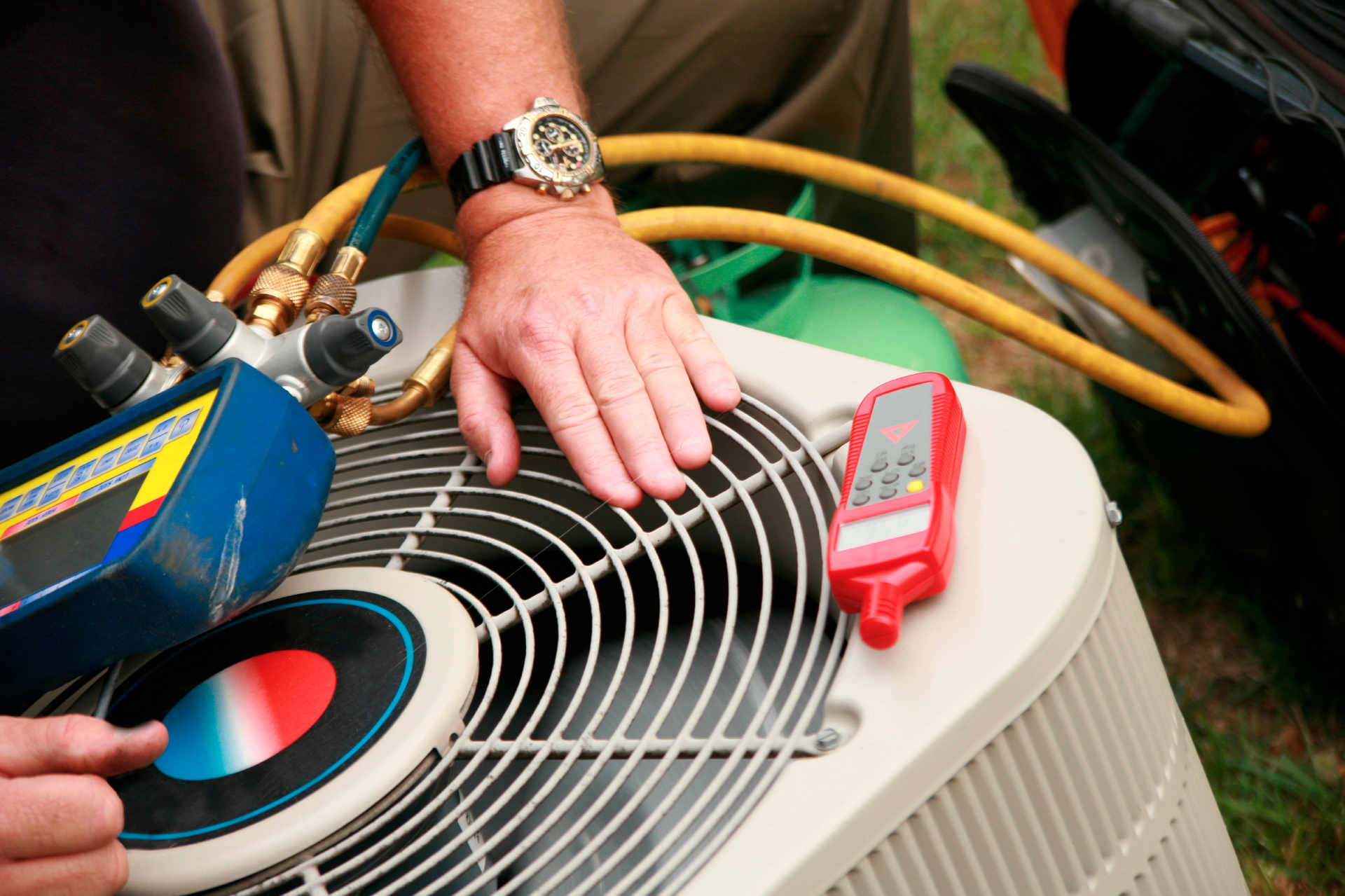
When a repair technician arrives, expect a methodical process. A professional HVAC contractor will listen to the noise, inspect both indoor and outdoor units, check electrical components and capacitors, measure refrigerant pressures when relevant, and report options. They should provide a clear estimate with parts, labor, and a warranty. If a contractor pushes for immediate replacement without diagnostics, get a second opinion. Conversely, beware of low-ball quotes that skip important diagnostics or use cheap parts without warranty.
Choosing an HVAC contractor in Tucson you can trust Reputation matters. In a place like Tucson where heat is the chief worry, you want a technician who knows local conditions and common system failures. Plunkett Home Services is an example of a local firm that offers residential HVAC repair, maintenance plans, and AC installation in Tucson. When searching for “HVAC Service Near Me” or “HVAC company near me,” take these factors into account.
- Licensing and insurance. Confirm the contractor carries the relevant state or municipal licenses and liability insurance. Transparent estimates. Look for written estimates that separate parts and labor and specify warranty terms. Response times for emergency calls. Ask whether they provide after-hours emergency service and what their typical arrival window is. Reviews and references. Check recent reviews for repeated themes, both positive and negative. Call neighbors or community groups for firsthand recommendations. Maintenance options. Reputable contractors often offer seasonal tune-ups that prevent noises before they start, a valuable service in Tucson climate.
I recommend asking the contractor to explain a repair in plain language and to show you the failed part when possible. Good technicians teach as they work. That way you learn what to listen for next time, and you can make informed decisions about repairs versus replacement.
How preventive maintenance reduces unexpected noise and expense The simplest way to avoid noisy breakdowns is regular maintenance. Seasonal tune-ups catch bearings and belts before they fail, ensure fan blades are balanced, verify refrigerant levels, and test capacitors and contactors. In Tucson, plan two tune-ups a year if your system runs continuously through summer; one before the cooling season and one at the end of summer to check for wear.
I have seen units where a $150 annual service prevented a $2,000 compressor replacement by identifying low refrigerant and a failing start capacitor early. That return on a small preventative expense is why maintenance plans pay for themselves for many homeowners.
When replacement is the best choice Sometimes noise reveals an underlying inefficiency that repair cannot fully fix. Worn compressors, repeated bearing failures, and obsolete R-22 refrigerant systems are candidates for replacement. If your system is older than 12 years and repair estimates are a significant fraction of a new system cost, consider AC installation in Tucson as an alternative.
New systems deliver better efficiency, quieter operation, and modern controls that reduce cycling. There is also the convenience of warranties. A properly sized new installation by a licensed HVAC contractor will often come with a multi-year parts and labor warranty plus manufacturer coverage. If your electric bills are rising and noise problems keep recurring, replacing the system can provide peace of mind and lower operating costs.
A real example from a Tucson neighborhood A homeowner I worked with had a condenser that started clanking in early June. It ran but the clank grew louder. She was understandably reluctant to pay for service in peak season, so she tried a few DIY steps: she cleared the area around the unit, shut the system down and restarted it, and tightened a couple of visible screws. The noise persisted. When the technician arrived, it turned out a small rock had been kicked up into the condenser by a sprinkler, chipping a blade and causing imbalance. The fan bearing had taken secondary damage. The total bill included a new blade, a bearing replacement, and rebalancing, which was far less expensive than replacing the compressor. The homeowner added a heavier screening around the unit to prevent future debris entry, and scheduled a seasonal tune-up. A modest proactive step at the outset — placing a screen — avoided bigger problems later.
When you need an emergency response in Tucson If you have an immediate safety concern, such as burning odor, smoke, or sudden loss of power with loud mechanical noise, call for Emergency AC repair near me and consider notifying local emergency services if there is visible smoke. For non-urgent but pressing situations, many reputable local HVAC contractors list emergency options and priority scheduling for subscribers to maintenance plans. That priority can be decisive in July when technicians are busy.
Final practical checklist before you call an HVAC contractor
Note the sound, when it occurs, and any recent changes such as storms or landscaping work. Try simple, safe fixes such as removing external debris and tightening visible screws without opening electrical panels. If the noise suggests internal motor failure, burning, or loss of cooling, shut off power and call for emergency service. When hiring a contractor, confirm licensing, ask for a written estimate, and request references or recent reviews. Consider long-term costs: if the system is old and repair is costly, explore AC installation in Tucson as a sound investment.Noisy equipment is inconvenient, but it is also an opportunity. The sound tells a story about what the system needs. With a little targeted inspection and sensible triage, many problems are fixable without panic. When you need professional help, choose an experienced HVAC repair technician who will diagnose the root cause, explain trade-offs, and offer solutions that fit your budget and the demands of Tucson heat. If you are searching for an HVAC company near me, look for a locally respected contractor such as Plunkett Home Services, read recent reviews, and prioritize those who offer clear estimates and emergency response options. Your home will be quieter and your cooling more reliable for the summer ahead.
Plunkett Home Services
3144 E Fort Lowell Rd, Tucson, AZ 85716, United States
+1 (520) 808-2743
[email protected]
https://callplunkett.com/